
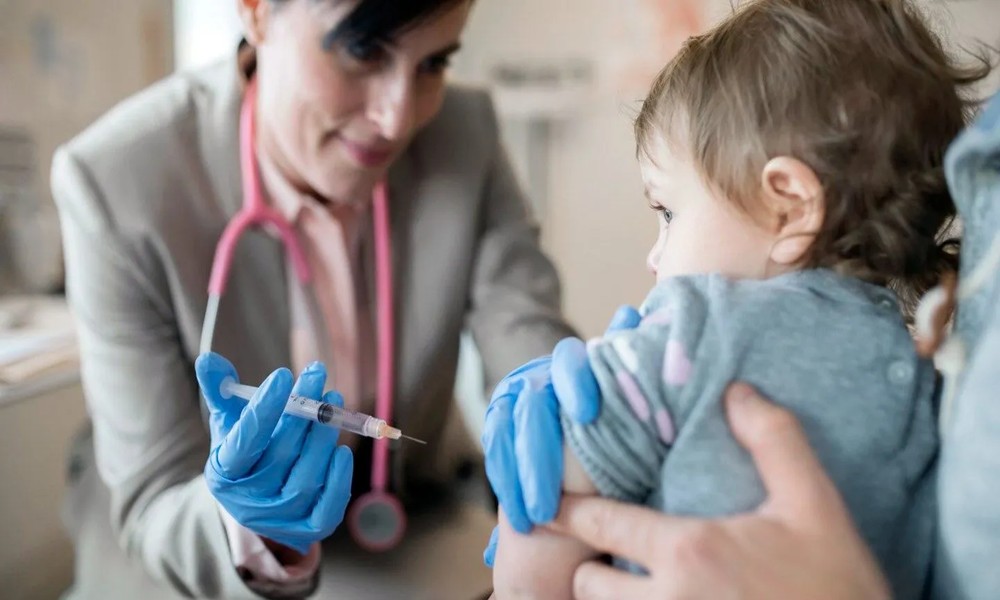
Your baby has just had their childhood vaccination. A few hours later, they feel warm. You check their temperature and your stomach drops.
This is one of the most common worries new parents in Singapore face. The good news? A mild fever after vaccination is normal. But knowing how to talk to your doctor about it makes a big difference.
Why Fever Happens After a Childhood Vaccination
When your baby gets vaccinated, their immune system gets to work. It builds protection against the disease. Part of that process can cause a short-term fever.
This is not a sign that something has gone wrong. It usually means the vaccine is doing its job.
Most post-vaccination fevers are mild. They tend to last one to two days. They usually go away on their own.
What counts as a fever in babies?
A rectal temperature of 38°C or above is considered a fever. For babies under three months, any fever needs immediate medical attention. For older babies, mild fevers are often manageable at home.
What to Track Before You Call the Doctor
Before you ring your clinic or head to KKH or NUH, take note of a few things. This helps your doctor give you the right advice fast.
Write down:
- Your baby’s temperature (and how you measured it)
- When the fever started
- Which vaccine was given and when
- Any other symptoms – rash, crying, swelling at the injection site
- Whether your baby is eating and drinking normally
- How your baby is behaving – alert or unusually sleepy?
Having this ready saves time. Your doctor can assess the situation much more clearly.
How to Talk to Your Doctor Without Feeling Rushed
Many parents feel nervous calling the clinic. They worry about wasting the doctor’s time. Do not let that stop you.
Start with the key facts: your baby’s age, the vaccine name, and the current temperature. Be direct. Doctors in Singapore are used to these calls.
Say something like this:
“My baby is four months old. She had her DTaP vaccine yesterday. Her temperature is 38.5°C. She’s a bit fussy but still drinking. Should I bring her in?”
That tells the doctor everything they need to make a quick decision.
Questions worth asking
Do not leave the call without asking:
- Is this temperature level normal for this vaccine?
- Can I give paracetamol, and what dose?
- What signs should make me come in straight away?
- How long should I monitor at home before seeking help?
These are not silly questions. They are the right ones.
When to Go Straight to the Doctor or A&E
Most post-vaccination fevers are harmless. But some signs need urgent attention.
Go to the doctor or A&E if your baby:
- Has a temperature above 39°C
- Is under three months old with any fever
- Has been crying non-stop for more than three hours
- Has a fit or seizure
- Has a rash spreading quickly
- Seems very difficult to wake up
- Refuses to feed for several feeds in a row
Do not wait and see if any of these happen. Go in.
What to Expect at the Clinic
If your doctor asks you to come in, do not panic. Most visits after vaccination are straightforward.
The doctor will check your baby’s temperature, heart rate, and breathing. They will look at the injection site. They will ask the same questions you already wrote down – which is why tracking symptoms beforehand helps.
In most cases, you will leave with reassurance and advice on managing the fever at home. Paracetamol drops like Panadol for infants may be recommended. Your doctor will tell you the right dose based on your baby’s weight.
A note on ibuprofen
In Singapore, ibuprofen is generally not recommended for babies under six months. Always check with your doctor before giving any medicine.
Talking to Your Doctor at the Next Visit
Even if your baby’s fever resolved quickly, bring it up at the next check-up. Tell your doctor how long the fever lasted, how high it got, and how your baby responded.
This helps your doctor plan future vaccinations. Some babies react more strongly to certain vaccines. Knowing this in advance means your doctor can give you better advice next time.
Conclusion
A fever after vaccination can feel alarming. But most of the time, it is a short, normal part of building your baby’s immunity. The key is knowing what to watch for and how to clearly describe it to your doctor. In Singapore, you have access to good medical care – use it without hesitation. When in doubt, call your clinic. You are not overreacting. You are being a good parent.