
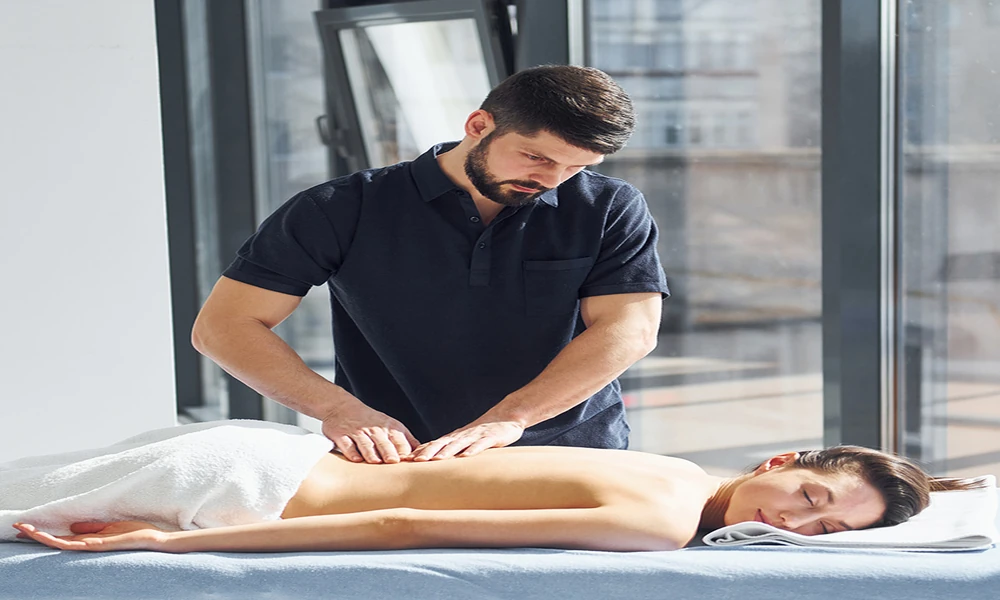
A massage menu can describe a format, atmosphere or intended experience without giving you the professional information you need about the person providing it. If registration or a particular qualification matters to your decision, identify the actual practitioner and verify the relevant information through the appropriate official source. Do not use a polished service name as a substitute for that check.
This distinction is useful in Ontario because consumers may encounter similar language across very different settings. A room photograph, a technique label and a practitioner’s professional status answer different questions. Reading them as though they were interchangeable can leave an essential part of the booking unresolved.
The menu describes an offering, not a complete professional record
Begin by noticing which information is actually present. A page may tell you the areas covered, the equipment used or the length of the appointment. It may separately identify the person who will provide it. If that identity is missing and matters to you, ask rather than inferring it from the overall presentation.
Words about atmosphere can be especially easy to overread. A service described as holistic, relaxing or luxurious may appeal to your preferences, but those descriptors do not by themselves identify a professional credential. The useful response is not to reject every descriptive word; it is to stop asking it to answer a different question.
Likewise, a technique name does not tell you everything about who will use it. Ask how the provider identifies the practitioner for the specific appointment. A website may discuss several services or several people, and you need to know which information belongs to the booking being offered to you.
Keep the enquiry neutral. “Who would provide this appointment, and where can I verify the qualification relevant to it?” is a request for information. You do not need to make an accusation or present the question as a challenge to the entire business.
Use the regulator’s information for a registration question
The College of Massage Therapists of Ontario’s public guidance explains that it regulates Registered Massage Therapists and Massage Therapists in the province. It identifies RMT and MT as protected titles and directs consumers to its public register to verify registration and authorization to practise. That is the appropriate kind of source for a registration question.
Use the person’s actual professional name, not merely the venue’s trading name or a nickname used in conversation. If you cannot confidently match the information, ask for clarification from the provider or the regulator through its official channels. An uncertain match should remain uncertain until it is resolved.
Do not turn a register search into a review score. Registration information serves a specific purpose; it is not a promise that every aspect of a future appointment will match your personal preferences. You still need to understand the proposed service and communicate what matters to you.
Use current information for a current booking. A screenshot saved during a previous search may not answer today’s question, especially if the person providing the service has changed. Checking the relevant official source is more reliable than relying on an old forwarded image with an unclear date.
Protect other people’s privacy while gathering what you need. You are seeking professional information relevant to a service, not personal details unrelated to the decision. There is no need to circulate an uncertain interpretation through a neighbourhood group when a direct clarification is available.
Keep the service discussion beside the credential check
Once professional information is clear, return to what you would actually receive. Ask about the proposed format, how the initial discussion is handled and how you can communicate during the appointment. A verified credential does not remove the need to understand the purchase.
For example, Santé Healing Spa’s massage menu lists several formats offered in Thornhill. The menu is useful for identifying the service you want to discuss; it does not replace checking the identity and qualifications of the person proposed for your appointment. No practitioner’s registration status should be assumed from a category description alone.
Be clear about your purpose without overstating it. If you want a leisure experience, explain that preference. If you are seeking help with a medical issue, consult the appropriate healthcare professional and clarify whether the proposed appointment fits the advice you have received. Do not let an appealing room description settle a clinical question.
Financial expectations also need their own source. If you intend to seek reimbursement under a benefit plan, confirm the applicable requirements with the plan and clarify what the provider will supply. A service title, a receipt or a registration check alone should not be treated as a guarantee of coverage.
Different questions may therefore have different answers from different parties. The venue explains its offering, the practitioner explains their role and the relevant official source supplies registration information. Keeping those roles clear reduces the pressure on any single page or person to answer everything.
Do not leave an essential question to arrival
If a credential is a condition of your decision, resolve it before committing to an appointment under terms you have not fully considered. Do not assume that arriving in person will automatically make an unclear situation easier. The question can be asked calmly while you still have time to consider the answer.
Confirm that the final booking still refers to the person and service you discussed. If something changes, revisit the relevant information rather than carrying an earlier answer over to a different arrangement. A change may be perfectly workable, but it is still a change to understand.
Then let each piece of information do its own job. The service description can help you choose an experience; the practitioner’s verified professional information can answer the credential question. Booking becomes clearer when neither is expected to stand in for the other.