
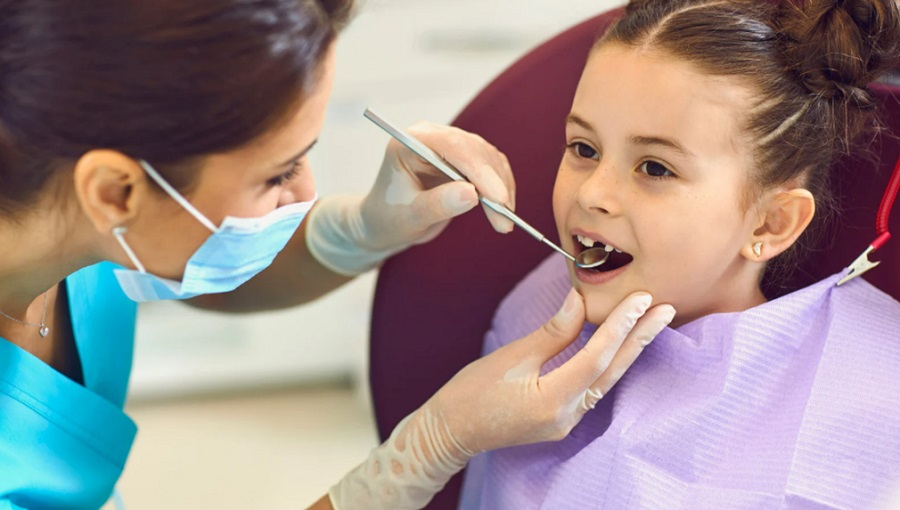
The question of when your child should have their first orthodontic evaluation can weigh on many parents’ minds. Early identification of dental issues can significantly impact your child’s oral health and confidence as they grow older. According to experts, the American Association of Orthodontists recommends an initial evaluation by age seven, even if no problems are immediately noticeable. For parents in need of a trusted children’s dentist in Houston to handle early orthodontic evaluations, starting with a qualified professional ensures your child is on track for a healthy smile.
Why Early Evaluations Are Important
Orthodontic evaluations at an early age focus on identifying potential issues before they become severe, reducing the need for invasive treatments later. Early evaluations help catch problems like misaligned jaws, overcrowding, or poor bite patterns. Addressing these issues while your child’s jaw and teeth are still developing is simpler and often more effective.
Correcting dental issues early reduces the likelihood of complications like speech difficulties, uneven wear on teeth, or even chronic pain in the jaw.
Starting early allows orthodontists to monitor development and create customized treatment plans that work with natural growth.
What to Expect During the First Visit
An initial orthodontic consultation typically involves a thorough assessment of your child’s dental health, jaw structure, and teeth alignment. Orthodontists will check for signs of misalignment, overcrowding, and gaps that could affect overall oral health. X-rays may also be taken to evaluate underlying bone structure.
If any problems are identified, orthodontists explain potential treatment routes, including whether immediate intervention is required or if monitoring is enough for the time being.
Before deciding on treatment, parents can explore key questions to ask to ensure the practice aligns with their child’s needs and long-term orthodontic care.
Signs That Your Child May Need an Evaluation
Certain symptoms can indicate it’s time to schedule an orthodontic consultation, even before age seven. If your child breathes through their mouth frequently or seems to struggle while chewing, these could signal structural challenges that orthodontic treatment can address.
Baby teeth serve as placeholders, guiding the alignment of permanent teeth. Losing them too early or too late can impact how adult teeth develop.
Noticeable gaps, overlapping teeth, or jaws that don’t align properly should prompt a visit to an orthodontist.
The Role of Orthodontic Monitoring
Even if your child doesn’t require braces immediately, monitoring their dental development ensures timely interventions when needed. Regular check-ups allow orthodontists to observe jaw and teeth alignment and plan preventive measures if necessary.
Unexpected issues may arise, and being prepared is crucial. Gather information about children’s dental emergencies to understand what situations might require swift action.
Conclusion
Your child’s smile plays a significant role in their overall health and confidence, making early orthodontic evaluations a valuable step. Identifying and addressing potential issues early on paves the way for easier treatment processes and better long-term outcomes. Consulting with trusted experts ensures your child receives proper guidance and care, giving them a confident, healthy smile to last a lifetime.