
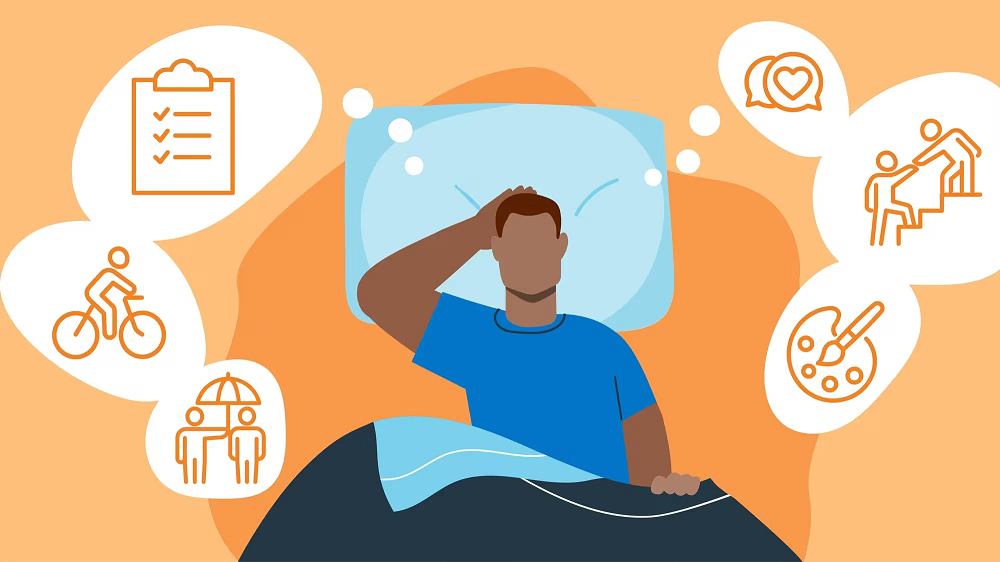
Completing a mental health treatment program whether it’s a partial hospitalization program or an intensive outpatient program is a major accomplishment. For many people, it’s the first time they’ve felt truly seen, supported, and stable in a long time.
But the journey doesn’t end at discharge.
Healing is ongoing, and the choices you make after treatment can either reinforce your growth or slowly unravel it. That’s why having a long-term wellness plan is just as important as the care you received during your program.
Let’s talk about how to maintain your mental health gains, avoid common pitfalls, and build a lifestyle that supports emotional and psychological wellness long after you leave formal treatment.
Why Maintenance Matters
You don’t have to be in crisis to deserve continued support.
Many clients in mental health programs in Boston, MA report feeling great immediately after treatment motivated, clear, and hopeful. But without consistent routines, accountability, and coping tools, it’s easy to slide back into old patterns.
That’s not failure. That’s reality.
Just like physical rehab requires ongoing strength training, mental health recovery demands regular attention and check-ins. Maintenance is the work that keeps the gains you’ve made from slipping away and it builds the foundation for lifelong wellness.
Step 1: Know Your Post-Treatment Risks
The first step in planning for long-term wellness is knowing what might challenge it. These are common post-treatment vulnerabilities:
- Lack of structure (especially after PHP or IOP ends)
- Returning to high-stress environments
- Isolation or loss of community
- Neglecting medication or therapy routines
- Underestimating small symptoms (“I’m just tired” can mask depressive relapse)
If you’ve completed depression treatment in Boston, MA, for instance, it’s crucial to remember that symptoms can return subtly to fatigue, disinterest, or poor sleep. The same goes for those who’ve received anxiety treatment in Boston, MA, where relapse may show up as avoidance, irritability, or panic when you thought you “outgrew.”
Recognizing your unique risks helps you build the right safety nets.
Step 2: Stay Connected to Care
Leaving a partial hospitalization program or intensive outpatient program doesn’t mean you’re cut off. In fact, continued care on a less intensive basis is a best-practice model in modern mental health treatment.
Post-Treatment Options to Consider:
- Step down to IOP or outpatient therapy after PHP
- Maintain weekly or biweekly individual therapy
- Continue medication management check-ins
- Join alumni or peer support groups
Many mental health treatment programs in Boston, MA offer alumni services or referrals to trusted community therapists. Don’t be afraid to ask your treatment team for a post-discharge roadmap.
Step 3: Create a Routine That Reinforces Stability
Mental health thrives in structure. After treatment ends, one of the most helpful things you can do is build a routine that mirrors the predictability and purpose you experienced in PHP or IOP.
Key Routine Anchors:
- Sleep: Same wake/sleep time daily
- Meals: Regular nutrition to stabilize mood and energy
- Movement: Exercise that feels manageable, not punishing
- Therapy/med check-ins: Appointments locked in your calendar
- Downtime: Built-in rest and creative time not just scrolling
It’s not about perfection. It’s about building a life that supports emotional regulation even on hard days.
Step 4: Build a Support System That Lasts
The community you met in group sessions may have been one of the most powerful parts of your treatment. That sense of “me too” is hard to find in everyday life but it doesn’t have to disappear.
Ways to Maintain or Rebuild Connection:
- Stay in touch with trusted peers from your program (where appropriate)
- Join a local support group for anxiety, depression, or trauma
- Attend alumni events if your program offers them
- Find a therapist who offers group therapy or skills-based workshops
Intensive outpatient programs in Boston, MA often help clients connect with ongoing group therapy resources. Use those connections. Recovery isn’t a solo mission.
Step 5: Watch for Early Warning Signs
Relapse whether of symptoms, behaviors, or mindset isn’t always dramatic. In fact, it’s usually subtle at first.
You might notice:
- Skipping therapy or meds
- Isolating again
- Sleep or appetite changes
- Increased irritability or anxiety
- Losing interest in hobbies or people
These signs are your system’s way of saying, “Something’s off.” Listen early. Respond with care. Reach out before things escalate.
Step 6: Adjust as Life Changes
The strategies that worked during your IOP might need tweaking when:
- You start a new job
- You move to a new place
- You enter (or leave) a relationship
- You face grief, transition, or unexpected stress
Wellness isn’t static. The most resilient people are the ones who adapt their tools, not the ones who never struggle again.
Don’t be afraid to return to care if you need to. Many people step back into a partial hospitalization program in Boston, MA or IOP not because they failed but because they’re committed to continuing growth.
That’s strength not setback.
Final Thoughts: Healing Is a Process, Not a Finish Line
Completing a mental health treatment program is something to be proud of. But it’s not the end of the story, it’s the beginning of a new one.
The work you did in therapy, group sessions, or psychiatry laid the foundation. Now, your job is to protect it, strengthen it, and build a life that feels stable, joyful, and deeply your own. With the right routines, support, and mindset, you can carry your healing forward day by day, step by step.