
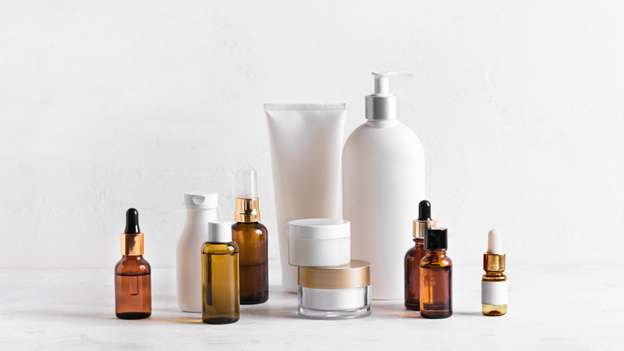
Choosing skincare products shouldn’t feel like a guessing game, but for many people, it is. With countless options on the market and trending advice changing weekly, finding the right products and treatments for your unique skin type can be confusing—if not downright overwhelming. What works for your friend might irritate your skin, and a product with thousands of five-star reviews might not actually address your specific concerns.
The truth is, skincare isn’t one-size-fits-all. Your skin has its own needs based on genetics, lifestyle, environment, and age. Successfully matching the right dermatology products and treatments to those needs requires more than guesswork—it takes a personalized approach.
Here’s how to confidently navigate skincare choices and align them with what your skin actually requires.
1. Start by Understanding Your Skin Type
Before selecting any treatment or product, you need to know your skin type. The most common categories are:
- Normal – Balanced, not too oily or dry
- Oily – Prone to shine, clogged pores, and acne
- Dry – Often feels tight, flaky, or rough
- Combination – Oily in some areas (like the T-zone), dry in others
- Sensitive – Reacts easily to new products, prone to redness or irritation
Knowing where you fall on this spectrum helps narrow down the ingredients and textures that will work best. For example, oily skin often benefits from lightweight, non-comedogenic products, while dry skin may need richer, more emollient formulas.
2. Identify Your Primary Skin Concerns
Once you understand your skin type, the next step is identifying your goals. Are you dealing with:
- Acne or breakouts?
- Fine lines or wrinkles?
- Hyperpigmentation or dark spots?
- Uneven texture?
- Redness or sensitivity?
Knowing what you’re trying to improve allows you to prioritize ingredients and treatments proven to address those specific issues. For instance, someone with acne-prone skin might benefit from salicylic acid or retinoids, while someone with hyperpigmentation could look for products with vitamin C or azelaic acid.
3. Look for Evidence-Based Ingredients
Trendy doesn’t always mean effective. To ensure results, focus on ingredients backed by clinical research. Here are a few examples:
- Retinoids – Excellent for acne and signs of aging
- Niacinamide – Great for redness, large pores, and oil regulation
- Vitamin C – A powerful antioxidant that brightens and firms
- Hyaluronic Acid – Hydrates without clogging pores
- Glycolic Acid – Smooths rough texture and boosts glow
Rather than being seduced by marketing buzzwords, scan product labels for these proven ingredients that align with your goals.
4. Avoid Ingredient Overload
More isn’t always better. It can be tempting to layer multiple actives, but too many strong ingredients—especially exfoliants or acids—can lead to irritation, breakouts, or a damaged skin barrier.
Instead, build your routine slowly. Introduce one new active at a time and monitor your skin’s response over a couple of weeks. And remember: sunscreen is a must when using most active ingredients, especially retinoids and AHAs.
5. Understand When to Seek Professional Guidance
At-home skincare can only take you so far. If you’re not seeing improvement—or your skin is getting worse—it may be time to consult a professional. A board-certified dermatologist can assess your skin in-depth and recommend treatments or regimens tailored to your unique concerns.
This might include prescription products, in-office treatments like microneedling or chemical peels, or lifestyle changes that support skin health from the inside out. You’ll also gain access to products from a dermatologist that are formulated with medical-grade ingredients not found in typical over-the-counter lines.
6. Know the Difference Between Cosmetic and Medical Needs
Some skin concerns—like dullness or uneven tone—can be addressed with cosmetic products and non-invasive treatments. Others, like cystic acne, rosacea, or melasma, often require medical-grade intervention and consistent monitoring.
Matching the right treatment path to the severity of your condition ensures better results and prevents you from wasting time and money on ineffective solutions. If you’re unsure whether your concern is cosmetic or medical, a consultation with a dermatologist can help clarify the best approach.
7. Stay Consistent and Be Patient
Even the most effective products and treatments take time to show results. It typically takes 4–12 weeks of consistent use to see noticeable improvement, especially when targeting acne, discoloration, or signs of aging.
Avoid switching products too frequently, as this can irritate the skin and hinder progress. Stick with your routine, adjust as needed based on professional advice, and track changes over time to see what’s really working.
Matching dermatology products and treatments with your skin’s unique needs doesn’t have to be a frustrating process. By understanding your skin type, targeting specific concerns, and leaning into evidence-based ingredients, you can build a routine that actually delivers results.
And when in doubt, don’t go it alone. Investing in expert guidance and dermatology products can eliminate the guesswork and fast-track your path to healthier, more radiant skin. After all, skincare isn’t just self-care—it’s smart care.