
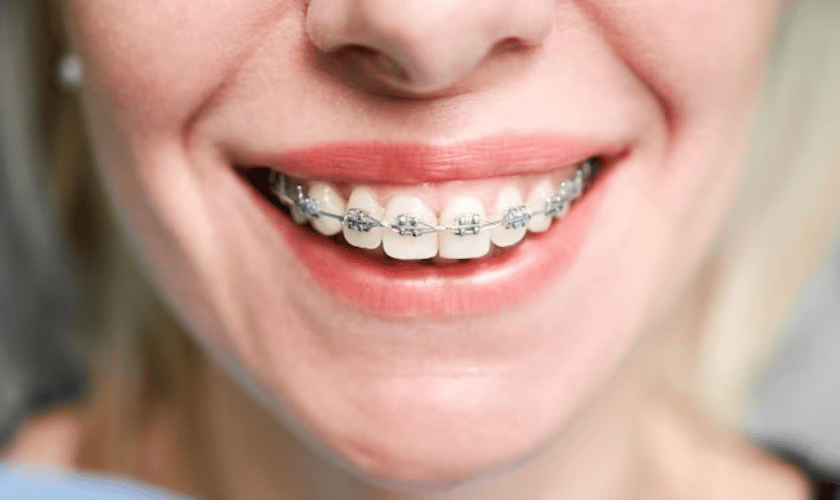
Orthodontic treatment has come a long way over the years, with patients today enjoying a wide range of choices for straightening their teeth. Among the most common and time-tested methods are traditional metal braces. While newer options like clear aligners have become popular, metal braces continue to be widely recommended by orthodontists for their effectiveness and reliability. So, what are the real pros and cons of choosing metal braces? Let’s take a closer look.
The Advantages of Metal Braces
1. Highly Effective for Complex Cases
Metal braces are often the first choice when dealing with complex orthodontic issues. Whether it’s severe crowding, significant bite misalignment, or jaw-related problems, traditional braces offer precise control over tooth movement. They are engineered to apply constant pressure on the teeth, enabling orthodontists to make micro-adjustments as needed throughout treatment.
2. Durability and Strength
Made of high-grade stainless steel, metal braces are built to last. They are less likely to break or wear down compared to ceramic braces or other alternatives. This makes them ideal for younger patients or anyone prone to chewing hard foods or engaging in active lifestyles.
3. Cost-Effective Option
Among the various orthodontic treatments available, metal braces are typically the most affordable. Insurance plans often provide better coverage for them, and since they don’t require advanced technology or special materials, they keep out-of-pocket costs relatively low.
4. No Risk of Losing Them
Unlike removable aligners, metal braces are fixed onto the teeth. There’s no worry about misplacing or forgetting them, which can be a major advantage for children or teens who might struggle with consistency.
5. Customizable Appearance
Today’s metal braces are far from the clunky versions of the past. Brackets are smaller and less obtrusive, and many orthodontists offer colored rubber bands that allow patients to personalize their braces, making the process more fun—especially for kids.
The Disadvantages of Metal Braces
1. Aesthetic Concerns
One of the most significant drawbacks of metal braces is their visibility. For self-conscious teens or adults, the appearance of brackets and wires can be a source of anxiety. Unlike clear aligners or ceramic options, metal braces are hard to hide.
2. Oral Discomfort and Irritation
Especially in the first few weeks, metal braces can cause discomfort as your mouth adjusts to the brackets and wires. Patients may experience soreness, minor cuts on the inner cheeks, and general sensitivity during adjustments.
3. Food Restrictions
Wearing braces comes with a list of “don’ts” when it comes to eating. Sticky, hard, or crunchy foods can damage wires or get stuck in brackets, leading to potential issues or emergencies. This can be frustrating and requires mindful eating habits.
4. Oral Hygiene Challenges
Cleaning your teeth with metal braces requires extra effort. Food particles and plaque can accumulate around the brackets, increasing the risk of cavities and gum problems. Patients must brush and floss thoroughly and may need special tools like interdental brushes or water flossers.
5. More Frequent Appointments
Traditional braces often require regular orthodontic visits for tightening, adjustments, and repairs. This can be inconvenient for those with busy schedules or limited access to dental care.
Conclusion
Metal braces remain one of the most effective orthodontic treatments available, especially for complicated dental issues. They’re durable, cost-efficient, and reliable, but they also come with challenges like visibility, food restrictions, and extra maintenance. Choosing the right orthodontic solution depends on your unique dental needs, lifestyle, and personal preferences. While newer options might seem more appealing, the enduring benefits of braces continue to make them a trusted choice for millions.