
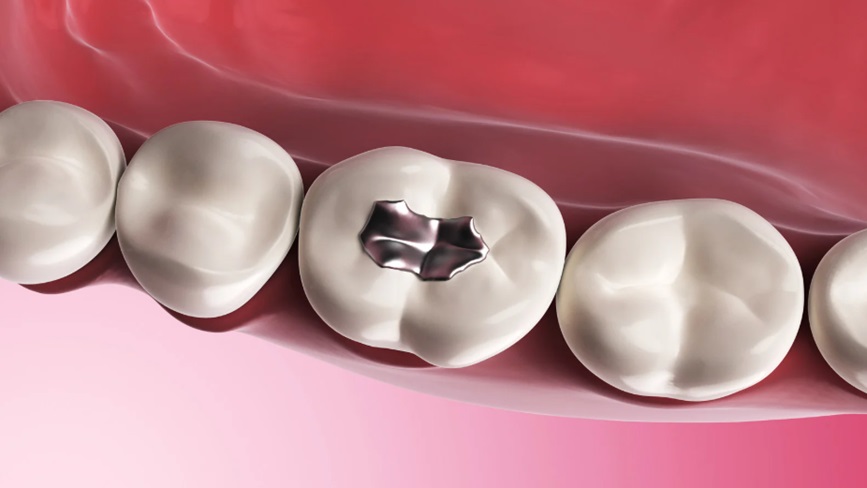
Tooth fillings are a common solution for cavities and damaged teeth, helping to restore both function and appearance. However, the life of a filling isn’t infinite and depends greatly on how well you care for your teeth. Strong oral hygiene practices can make all the difference when it comes to ensuring your fillings stand the test of time. If you’re considering a tooth filling in Oakville or want to prolong the lifespan of your current fillings, understanding the connection between oral care and durability can help you make informed decisions.
How Oral Hygiene Impacts Tooth Fillings
Tooth fillings don’t exist independently of the surrounding tooth structure, which means maintaining healthy teeth and gums is key. Even the most advanced filling materials rely on a stable, clean environment to remain effective. Plaque and bacteria can creep under poorly maintained fillings, leading to decay or gaps between the filling and the tooth.
Regular brushing, flossing, and dental check-ups help remove harmful bacteria and prevent this kind of wear and tear.
Daily Habits That Support Filling Longevity
One of the simplest tools for maintaining fillings is effective brushing. Using fluoride toothpaste and ensuring you brush twice daily is essential to prevent plaque buildup. Flossing is equally important since it cleans the spaces between teeth where plaque tends to accumulate. Neglecting these practices can lead to decay that undermines not just the filling but the entire tooth.
Watching Your Diet
Your diet plays a bigger role in the health of your fillings than you might think. Sugary and acidic foods can erode the edges of fillings, making them less stable over time. Instead, focus on foods rich in calcium and vitamins that support overall oral health. Hydration is also key, as water helps wash away residual sugars and neutralize acidity in your mouth.
Maintaining good eating and drinking habits isn’t just about preserving fillings. It’s also a big part of overall dental care as you age. For more tips on keeping your smile in the best possible shape as you grow older, check out everything you need to know about tooth sensitivity.
The Role of Professional Dental Care
Regular dental visits are essential for spotting issues with your fillings before they turn into major problems. Dentists check for gaps, cracks, or other signs of wear that could compromise the integrity of a filling. Catching these issues early not only extends the life of the filling but also saves you from potential discomfort or more extensive treatments.
Addressing Misconceptions
Many people hold myths about tooth fillings that could lead them to neglect proper care. For instance, some think fillings are “set it and forget it” solutions, but that’s far from reality. Others worry unnecessarily about whether fillings are safe or durable. If you’ve encountered similar doubts, consider reading more about busting the myths and the undeniable truth about tooth fillings. Acquiring the right knowledge can lead to more effective care routines and boost confidence in the decisions you make for your oral health.
Conclusion
Tooth fillings can last for many years, but they’re far from indestructible. The efforts you put into oral hygiene, from brushing and flossing to regular dental check-ups, play a significant role in your longevity. By adopting healthy habits and staying proactive about your dental care, you can ensure your fillings and your overall oral health stay in excellent condition.
When in doubt, always consult a professional to guide you in maintaining and protecting your fillings.